







Coastal vs. Inland Divide
Prosperous cities like Shanghai, Shenzhen, and Guangzhou benefit from global trade, tech industries, and foreign investment. The NBS reports that Shanghai’s GDP per capita exceeded 180,000 yuan ($24,800) in 2023, nearly five times higher than that of Hebei province (NBS, 2024). Meanwhile, inland cities rely on lower-wage manufacturing and agriculture, perpetuating income gaps.
Urban-Rural Migration Challenges
The hukou (household registration) system restricts migrant workers from accessing full social benefits in wealthier cities, worsening inequality. A World Bank (2023) report found that rural migrants in cities earn 30-50% less than urban residents for the same work, limiting upward mobility.
Government Efforts and Obstacles
Policies like "common prosperity" and the "Western Development Strategy" aim to redistribute wealth, but progress is slow. Progress has been slow, as skilled workers and businesses continue to flock to wealthier cities for better-paying jobs. A Peking University study (2023) warned that without stronger reforms, income gaps could widen further.
Summary
China’s income inequality remains a critical challenge for the government. While economic growth continues, balancing regional development will require deeper structural reforms to ensure equitable opportunities for all citizens.
Above section of this article was written by DeepSeek.com, and reviewed by the team at DDK Capital. This continuing article below is written by the team at DDK Capital to provide commentary and opinion in response to the facts summarised above.
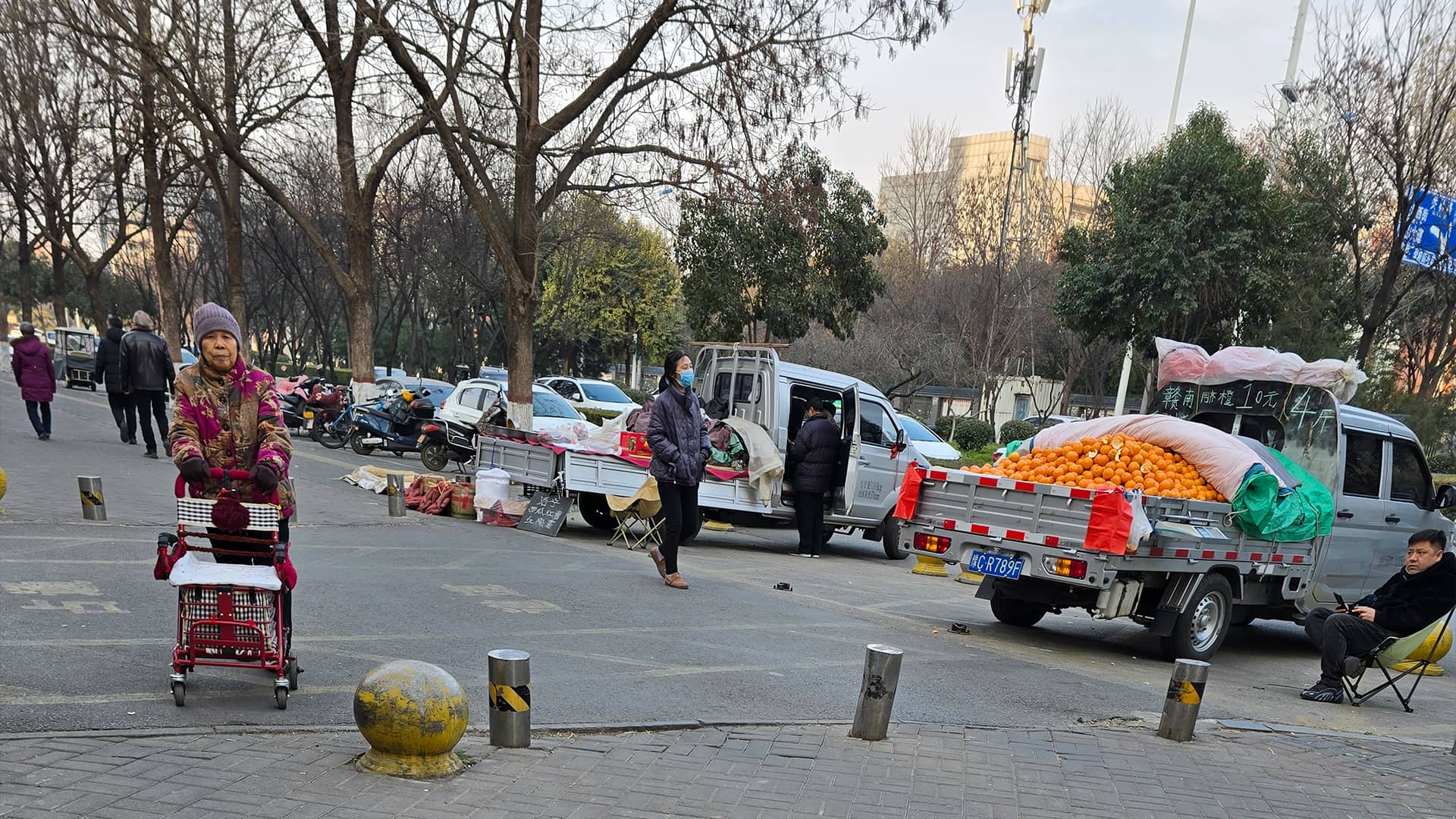
Scene from Luoyang, China. Hawkers sell the wares from the back of their trucks by a pedestrian walkway. A common sight in urban China.
Due to China’s vast geographic landmass, and accelerated growth in the past 2 decades, basic infrastructure in many towns and 2nd tier cities have to catch up. This presents a trade opportunity that can benefit Chinese locals and foreign service businesses that package together a selection of social and civic activites for public consumption.

A piping hot bowl of donkey meat soup.
Due to its proximity to the silk road, much of northern Chinese cuisine could be exported to Asia and the wider world through well planned retail concepts.
It depends on entrepreneurial folks in Asia to really unlock this bilateral trade opportunity. Chinese citizens do have the spending power, it just needs a catalyst to help consumers in China and Asia pass a “tipping point”. Will this Catalyst come from the Chinese government or a community of savvy business folks? The answer will come in good time.
Watch out this space for new developments and updates on business opportunities in China and ASEAN! Join our members group.
The video below show the children and adults gather in the central plaza in Luoyang China to play badminton, a game using whips, and a game of chapteh (a rubber disc topped with rooster feathers kicked from player to player)